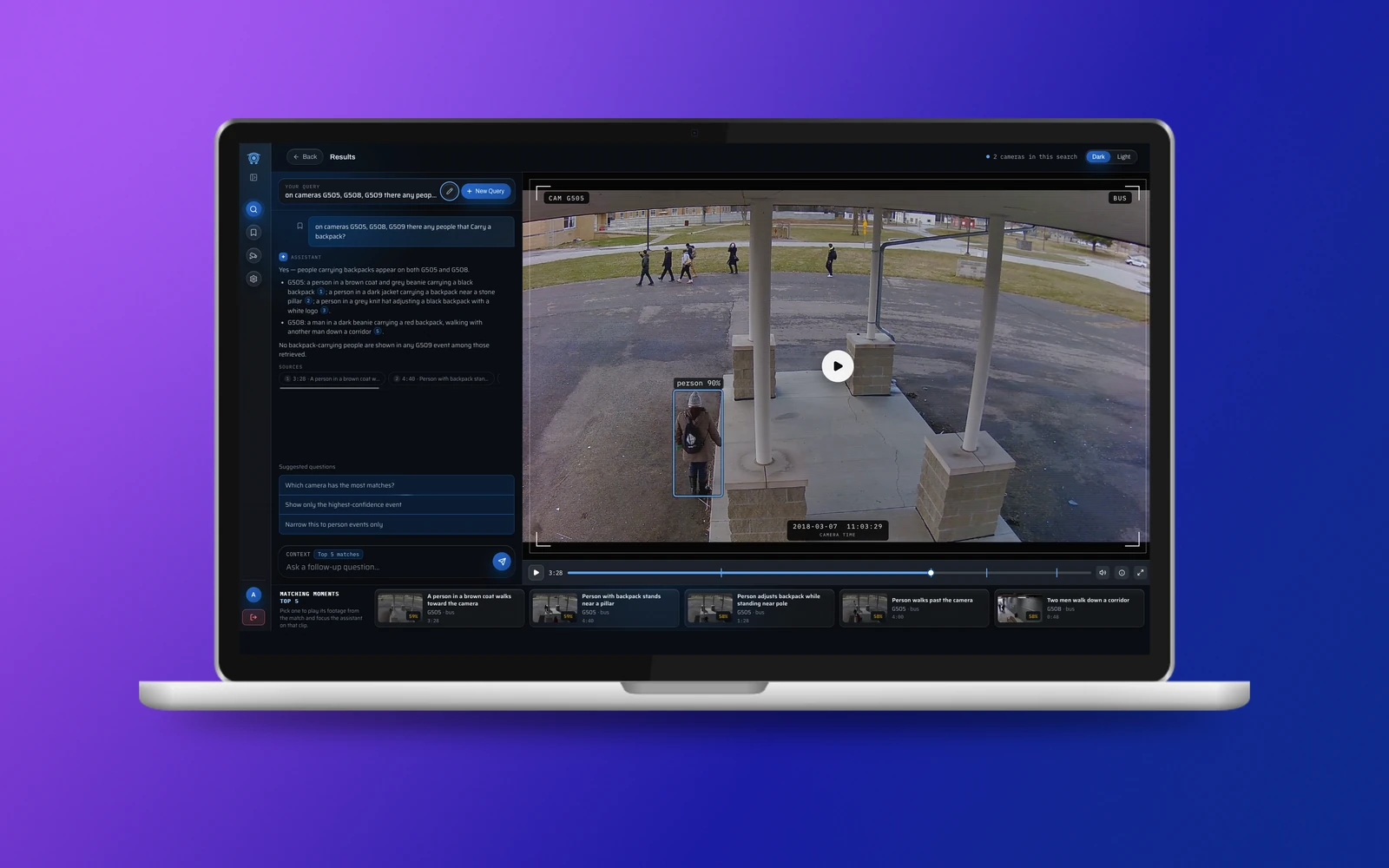
Horus lets investigators search hours of CCTV footage by asking questions in plain English. Every answer cites the exact moments it used, and clicking a citation plays the video at that second with tracked people and vehicles outlined. Live at cctvai.site.
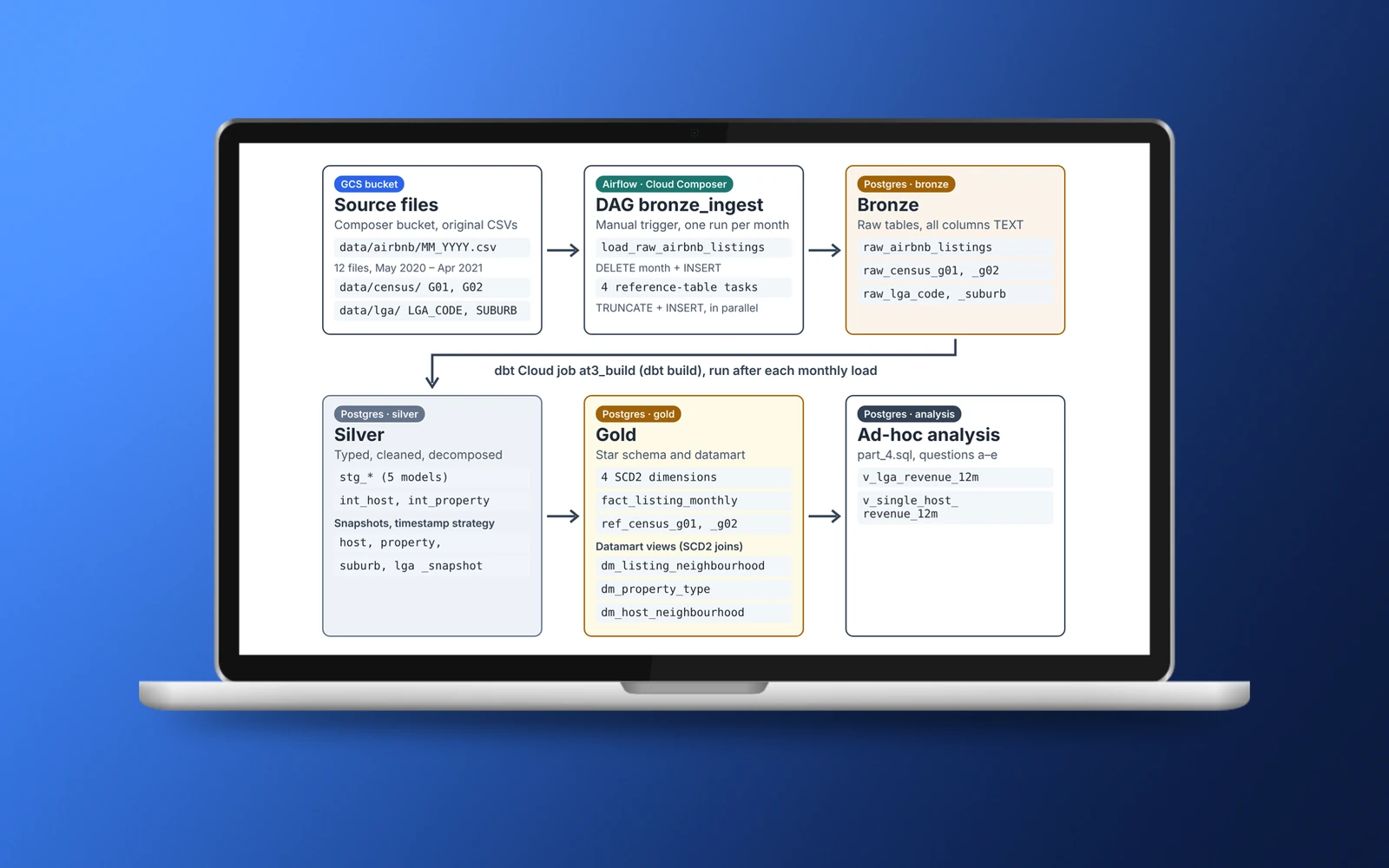
An ELT pipeline on Google Cloud that turns 12 months of Sydney Airbnb listings and the 2016 Census into a Medallion data warehouse. Airflow loads the raw data, dbt builds a star schema with SCD2 dimensions, and datamarts show where short-term rentals earn the most.
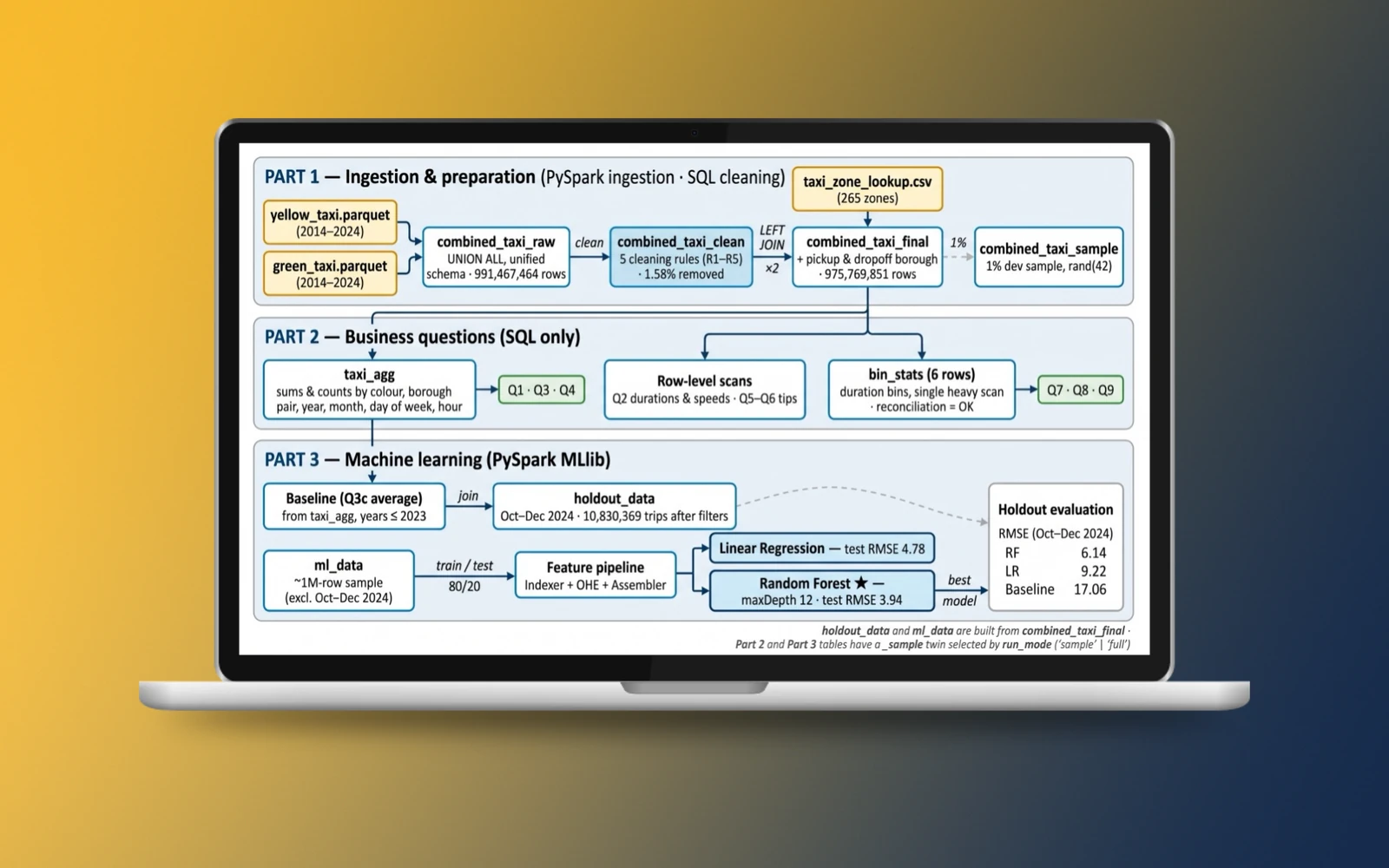
A Databricks Spark pipeline that unifies, cleans and analyses 11 years of New York yellow and green taxi records, almost a billion trips, then trains a PySpark MLlib model to predict fares. Every query is written once, tested on a 1% sample and re-run unchanged on the full dataset.
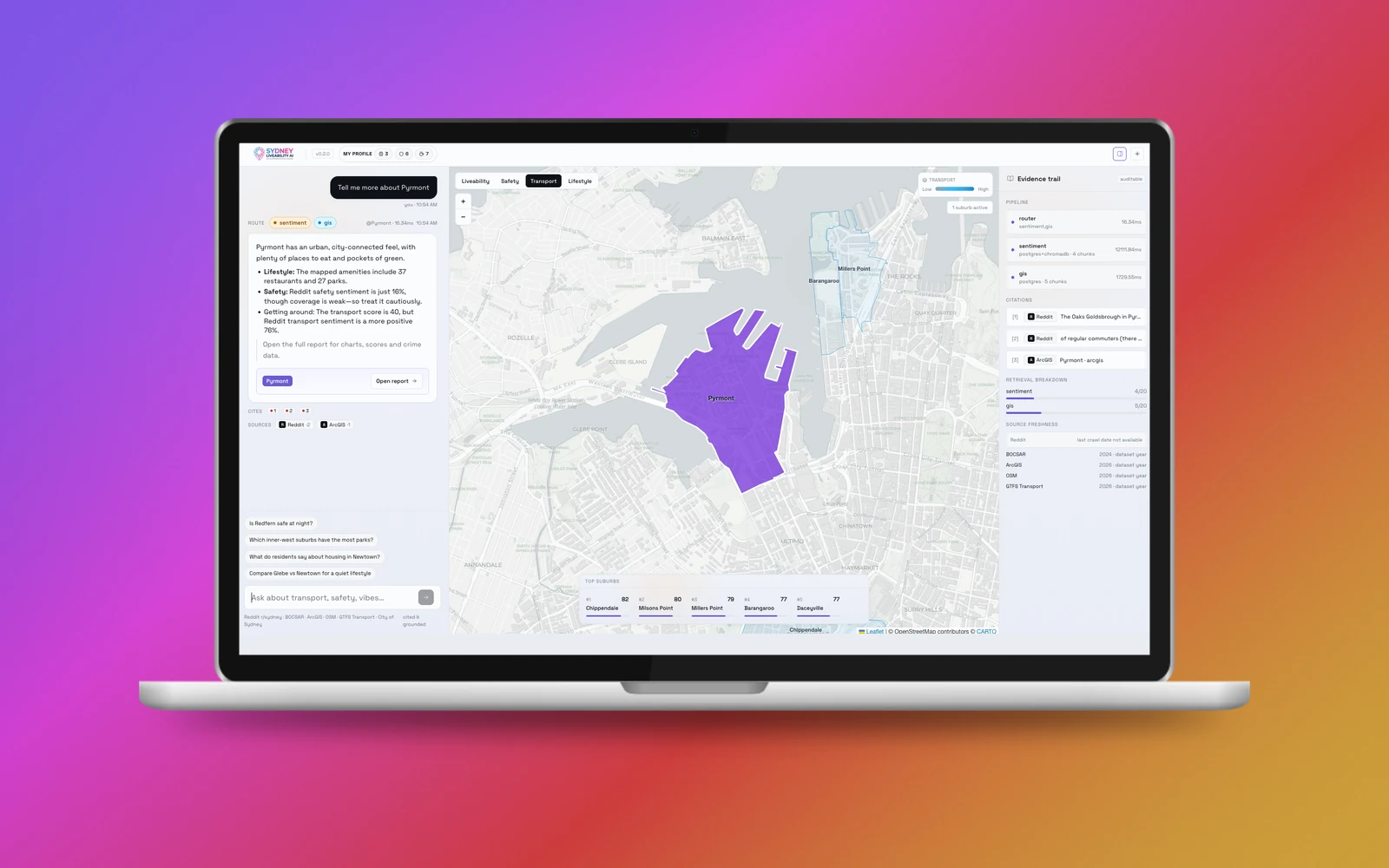
A multi-agent RAG app that helps newcomers to Sydney choose where to live based on evidence, not anecdote. It ranks 656 suburbs against your priorities and answers questions by combining Reddit sentiment, crime statistics, transport and amenity data, with every claim traceable to its source.
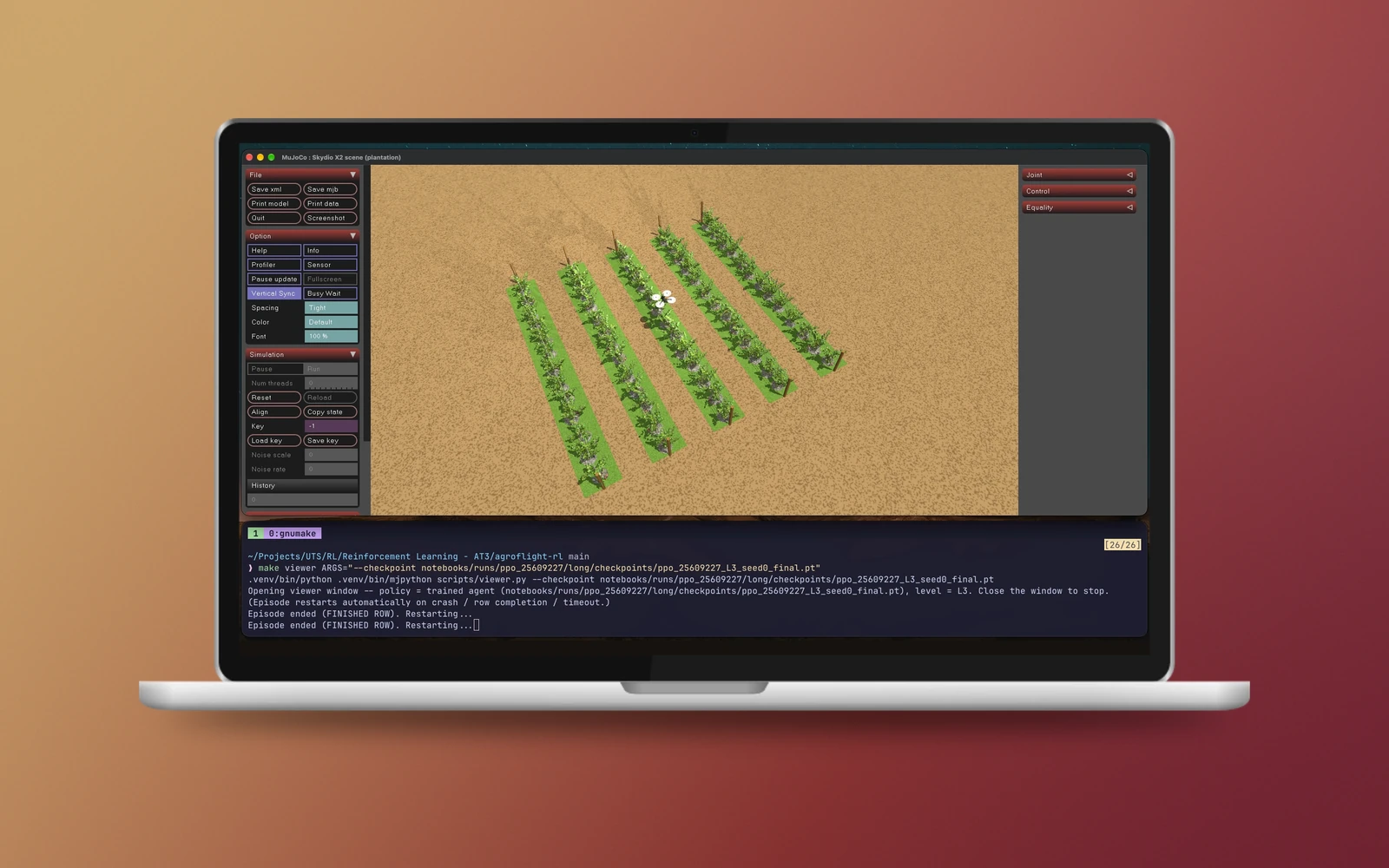
A custom MuJoCo physics environment where a simulated quadrotor learns to fly 1.2 m above a crop row while wind pushes it off course. Three policy-gradient methods were compared on the same environment, reward and evaluation; my PPO agent was the only one to clear all five levels.
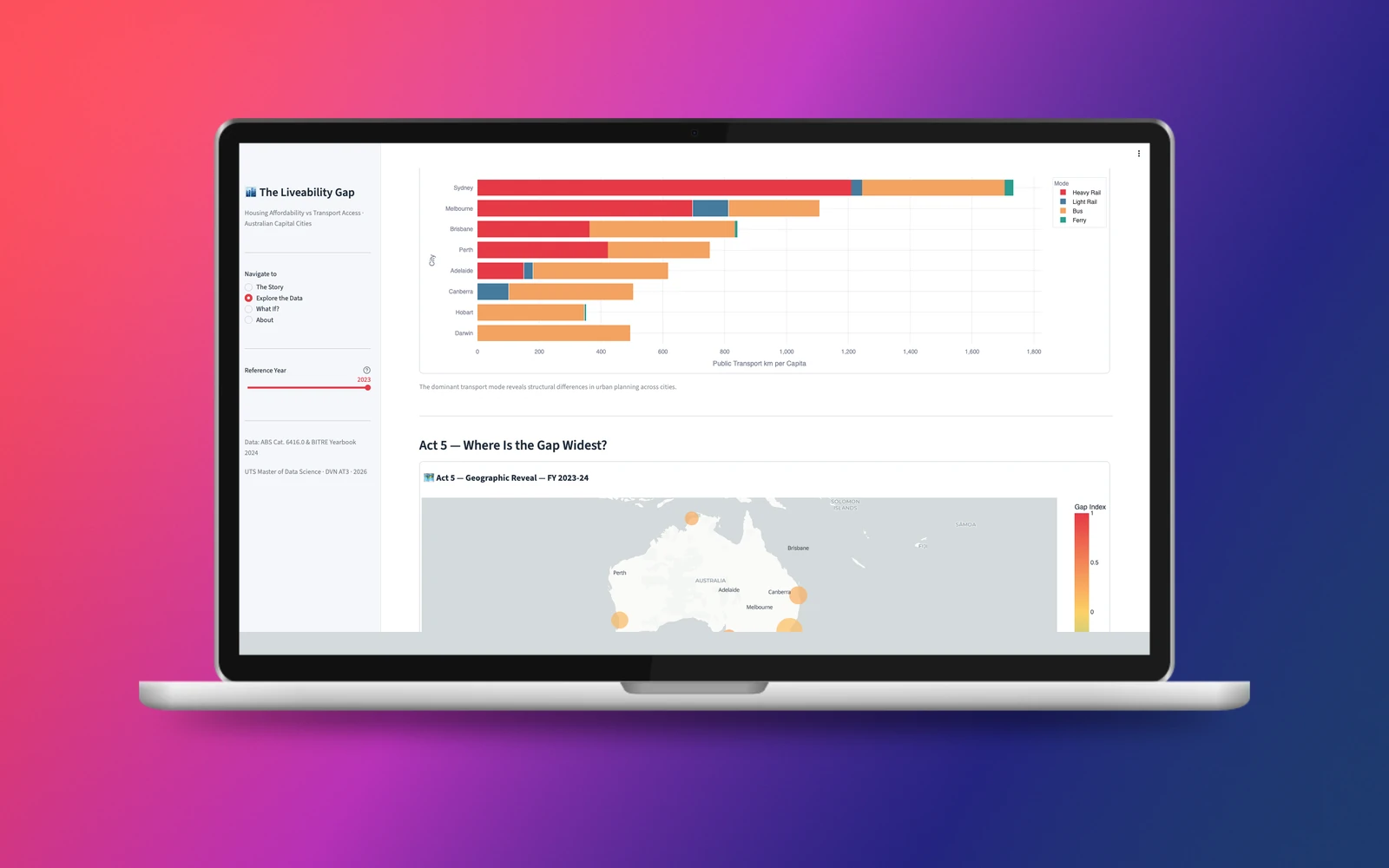
An interactive data narrative that measures the gap between what housing costs and how well public transport serves each of Australia's eight capital cities across 23 years. A custom Liveability Gap Index, a shared year slider and a What If simulator help agents and policymakers compare cities.
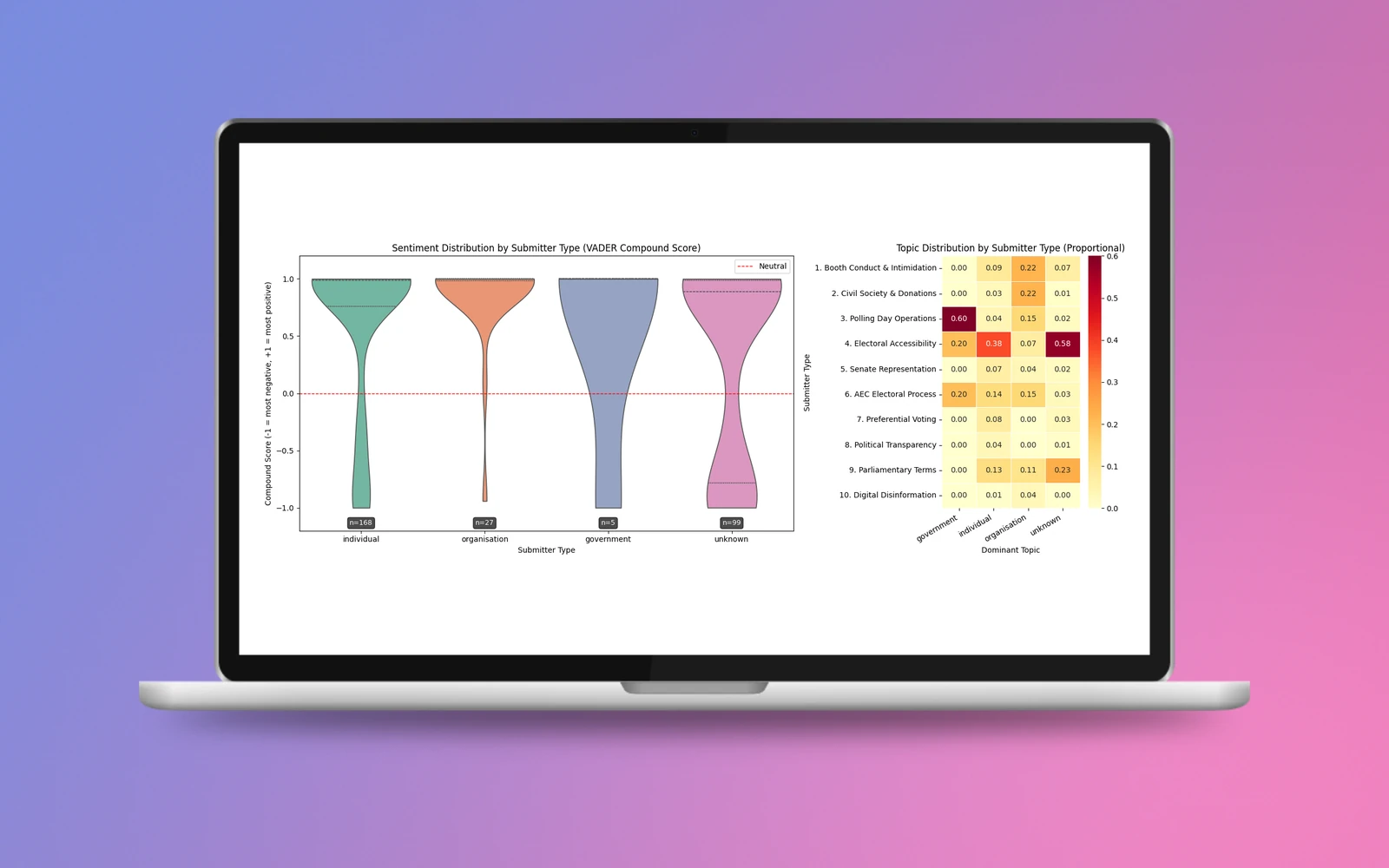
An NLP analysis of 299 public submissions to the parliamentary inquiry into the 2025 Australian federal election. A PDF pipeline with OCR fallback feeds topic modelling, entity recognition and sentiment analysis to show how submitter types perceive misinformation and electoral intimidation.
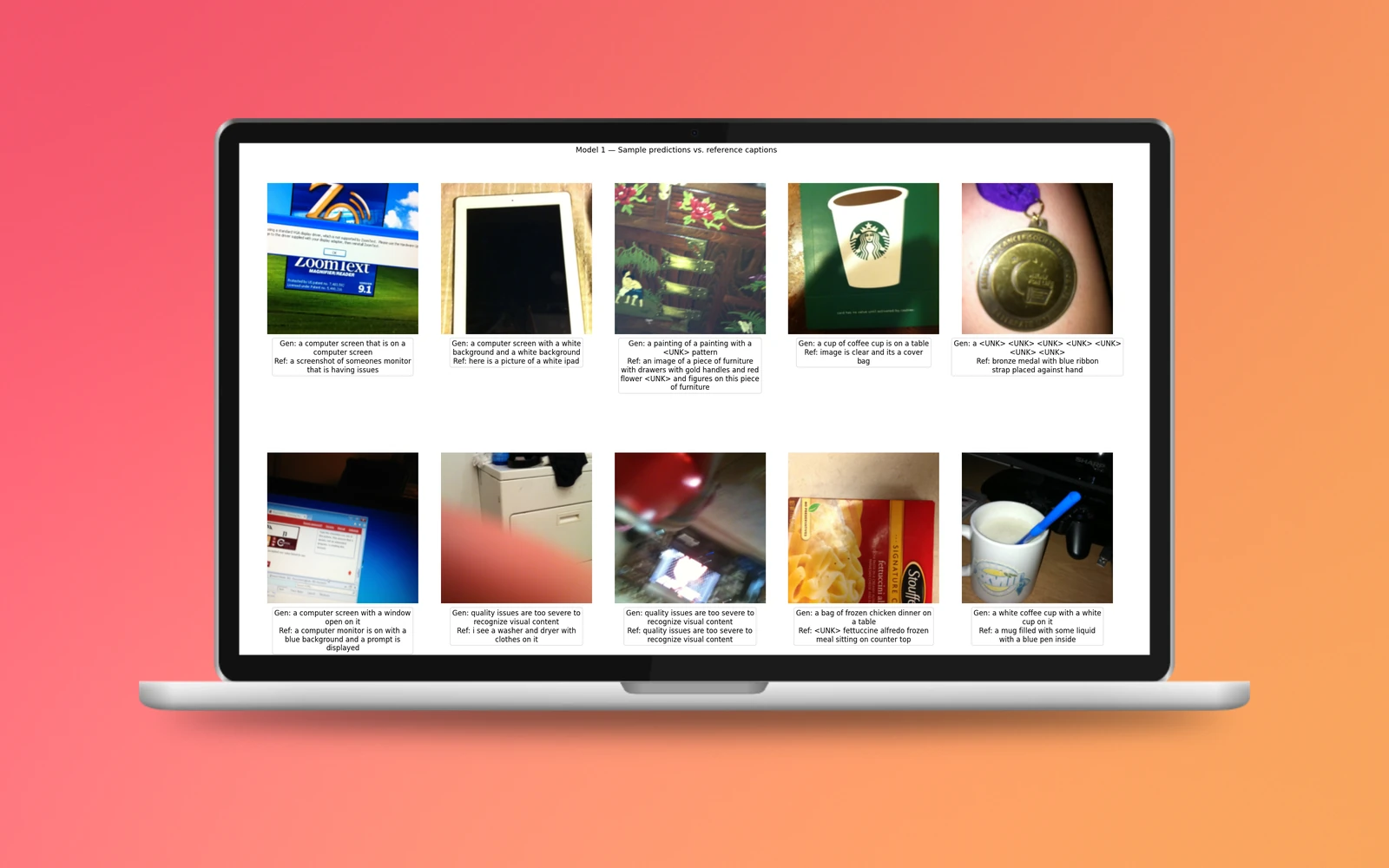
A PyTorch captioning system trained on VizWiz, 7,750 photos taken by blind people that are often blurry, badly framed or poorly lit. I designed and trained two encoder-decoder models, and my MobileNetV3 + LSTM baseline achieved the best scores of the ten models built by the team.
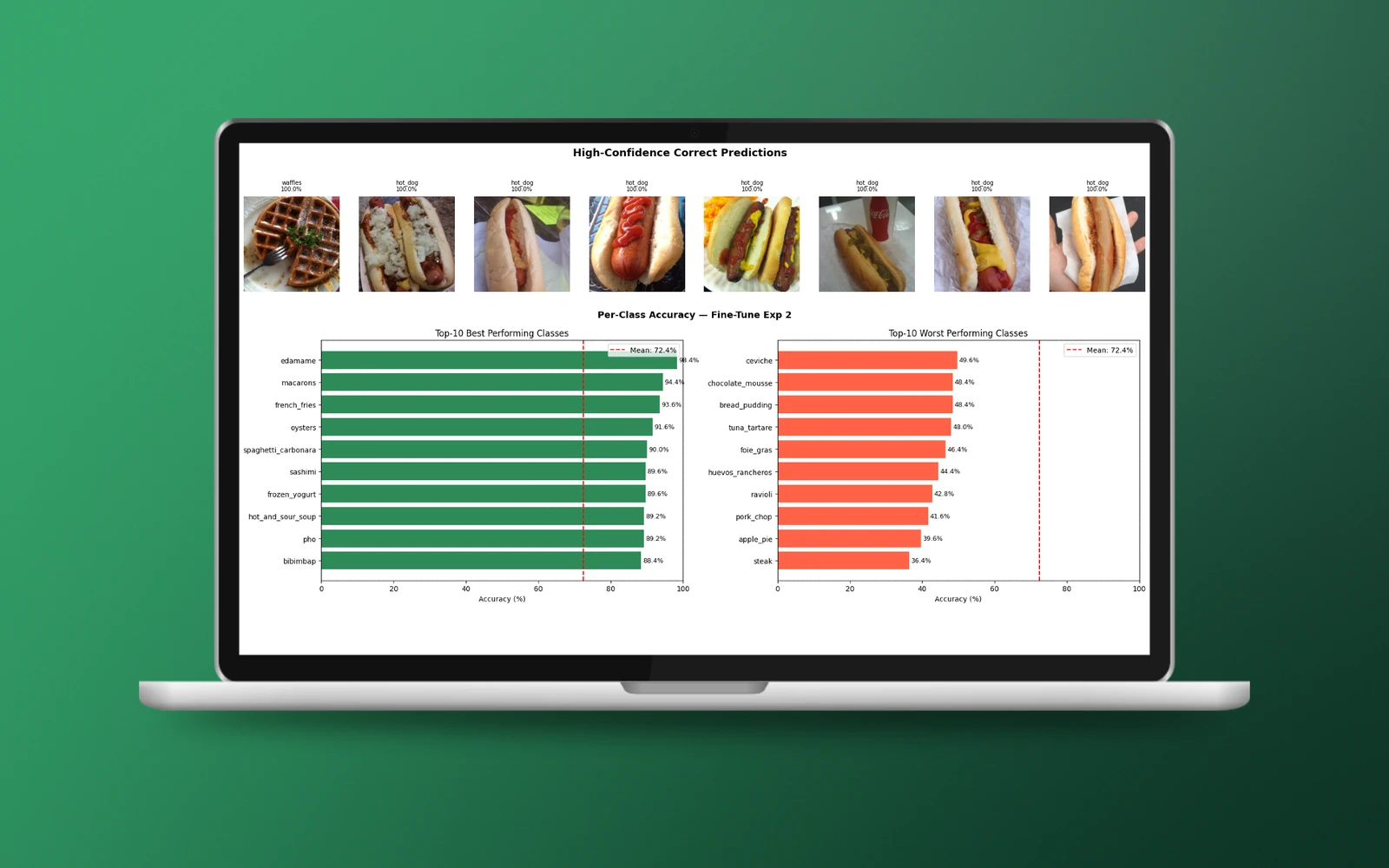
A controlled transfer learning study on Food-101, 101,000 real-world food photos across 101 dishes. GoogLeNet, ResNet50 and MobileNetV3 were compared under identical conditions, and the best one was then fine-tuned progressively by unfreezing deeper layers step by step.
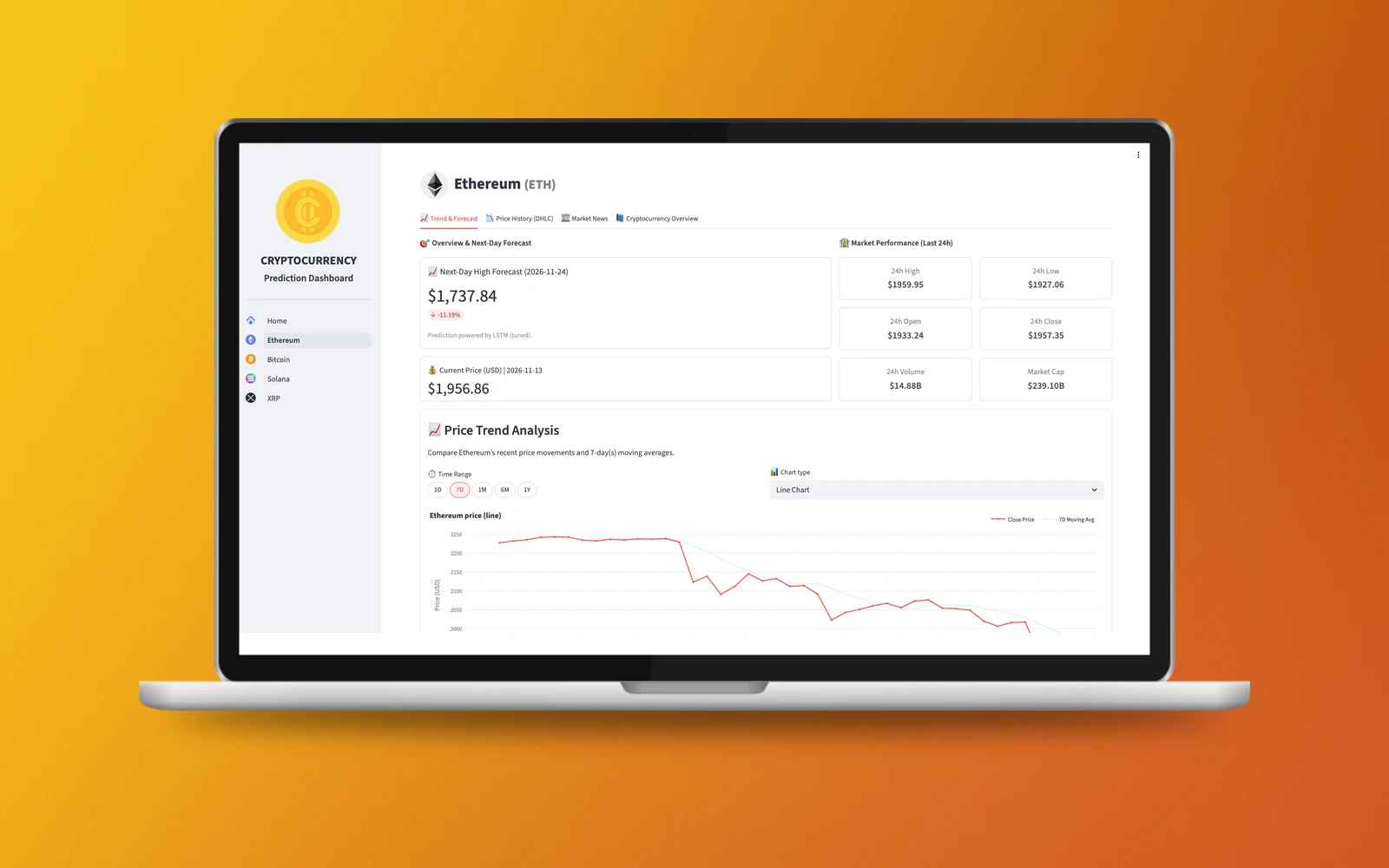
An end-to-end ML data product that forecasts next-day high prices for Bitcoin, Ethereum, XRP and Solana. Each model runs as its own Dockerised FastAPI service on Render, and a Streamlit dashboard combines the forecasts with live market data. I owned Ethereum end to end.
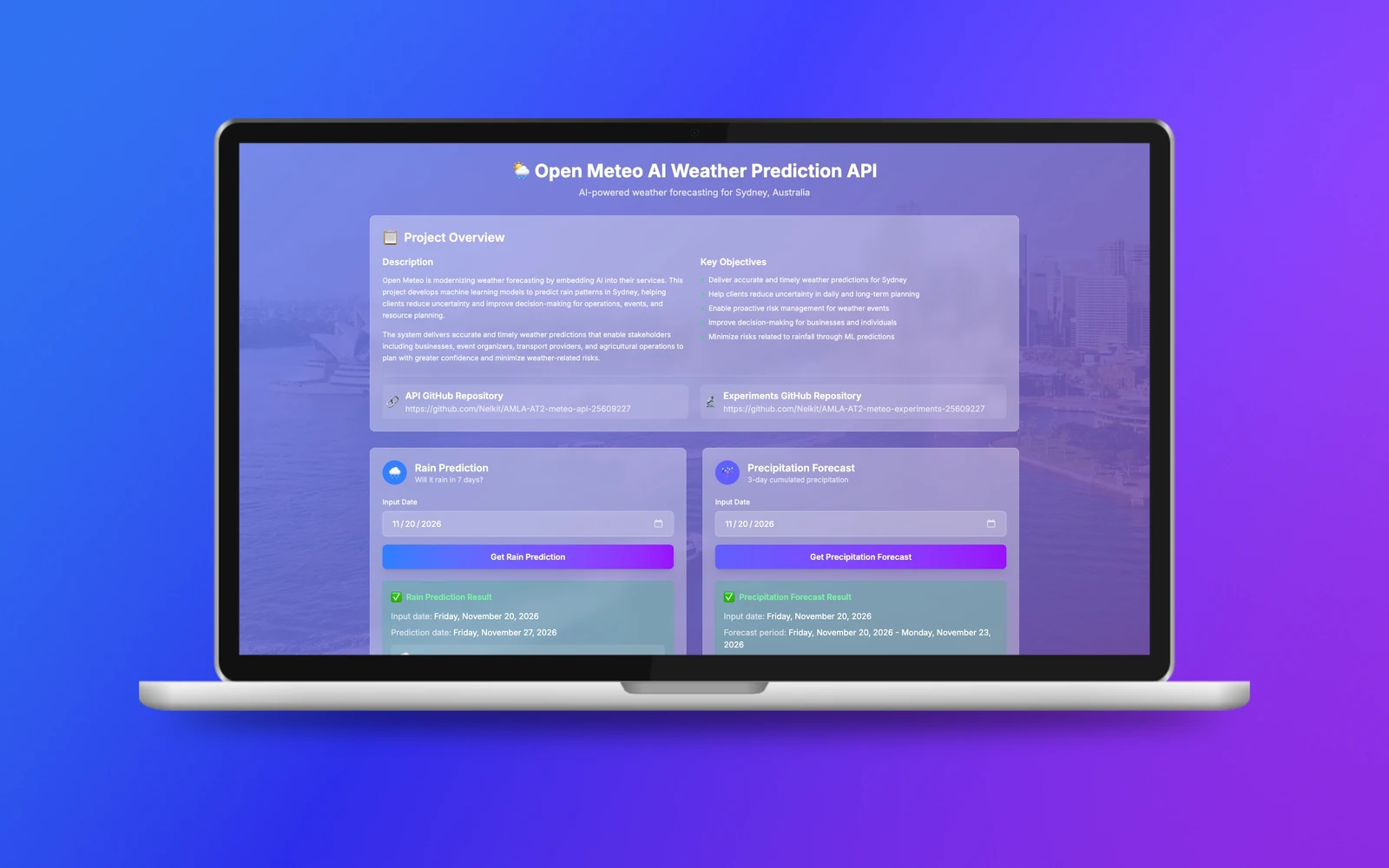
A machine learning service that predicts whether it will rain in Sydney within the next 7 days and how much rain will fall over the next 3. Both models are trained on 34 years of Open-Meteo data and served as a Dockerised REST API, with preprocessing packaged as a reusable Python library.
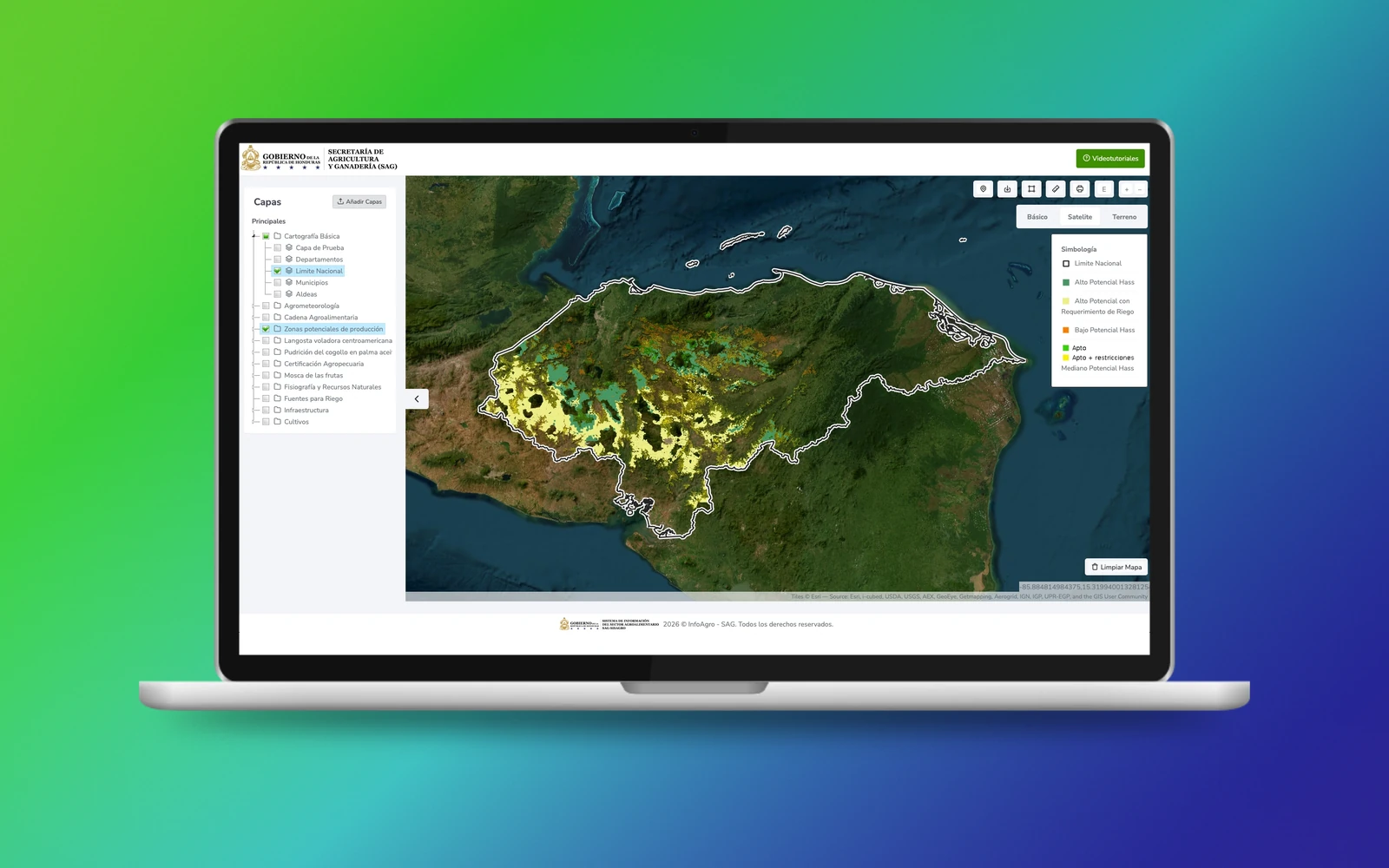
The geoportal of Honduras' Ministry of Agriculture and Livestock (SAG), which manages the full lifecycle of geospatial layers and publishes agri-food data on public and internal maps. I built it end to end in 2022, and in 2025-26 my company Mindtech504 restored, secured and extended it.
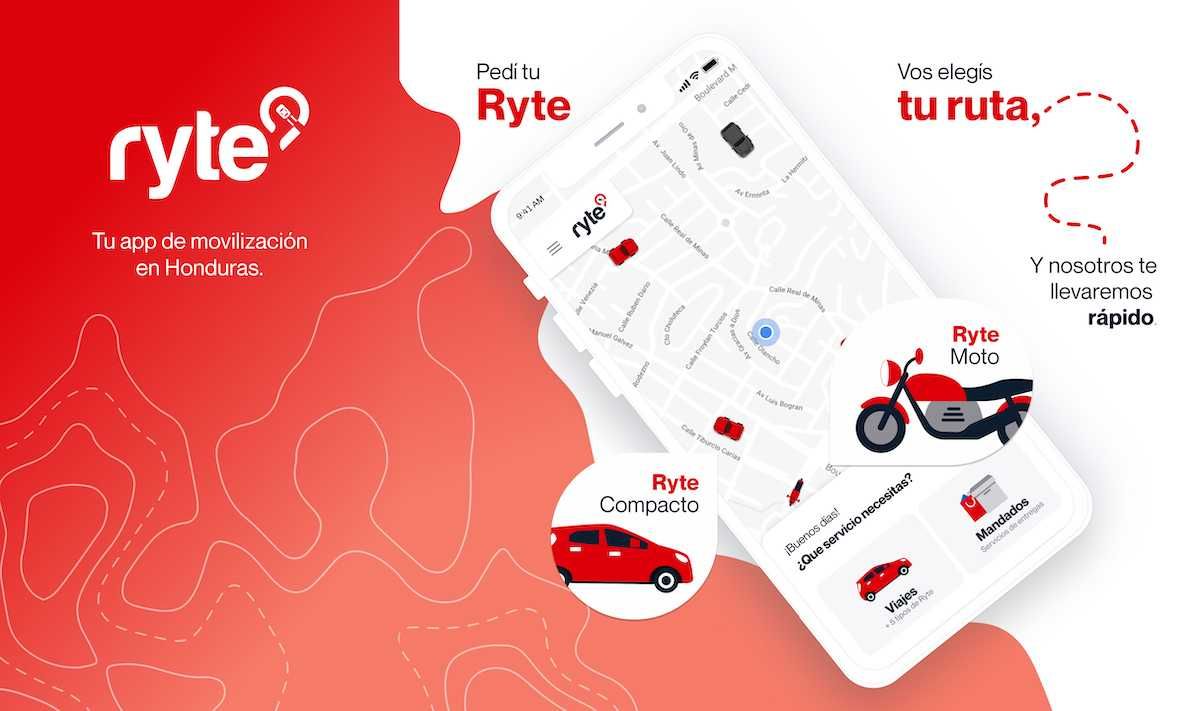
A full rebuild of the Ryte marketplace iOS app in Swift 5, with a clean MVVM architecture, a redesigned UX and real-time updates. The app connects to a Node.js backend over REST and listens to live events through MQTT.
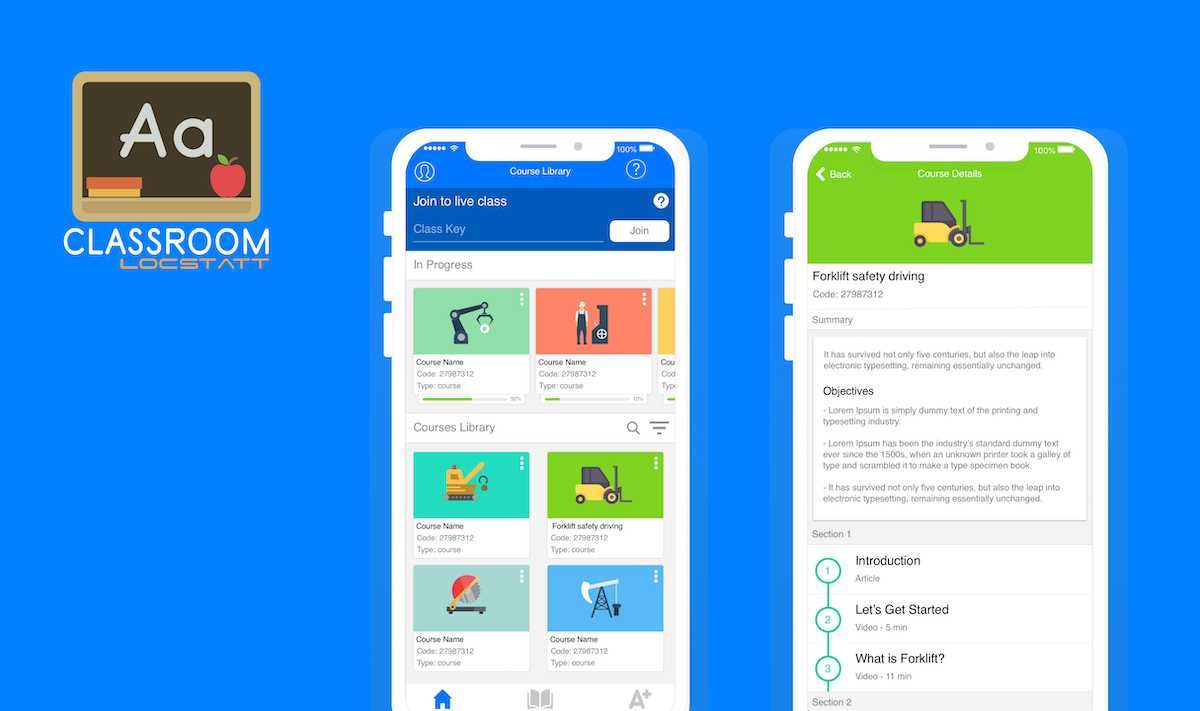
An iOS training app that delivers mandatory safety and security courses to employees in the petrochemical and industrial sectors. I took it from UI/UX design in Sketch to a Swift 5 app released on the App Store, used by more than 20 enterprise clients.
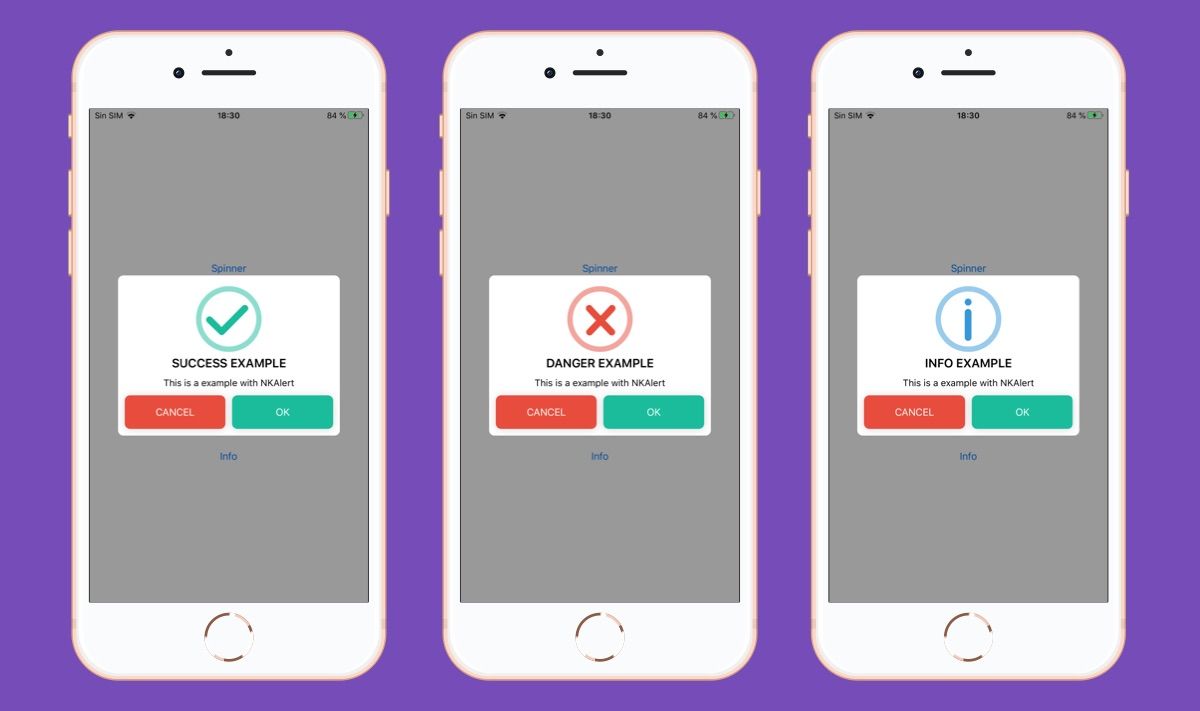
An open-source Swift library on CocoaPods that replaces UIAlertController with fully customisable alerts, letting colours, typography, button layout and animation match an app's design system with minimal integration effort.
